
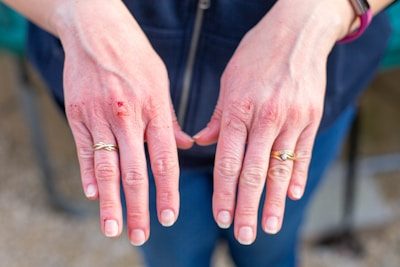
異位性皮膚炎(濕疹): 實證治療
治療以階梯方式進行,而且每一級都保留下一級的基礎。潤膚劑從不停用。
第五級: 生物製劑與口服 JAK 抑制劑
異位性皮膚炎的治療在此徹底改觀。這些進展代表皮膚科十多年來最重要的治療突破。
生物製劑是注射式抗體,針對單一炎症訊號。它們並非廣泛的免疫抑制劑,亦不需要常規血液監察。
在歐洲,已獲批的生物製劑包括 dupilumab(抗 IL-4Rα,2017 年)、tralokinumab(抗 IL-13,2021 年)、lebrikizumab(抗 IL-13,2023 年)及 nemolizumab(抗 IL-31Rα,2024 年),另有 JAK 抑制劑 baricitinib(2020 年)。
| 藥物 | 標靶 | 獲批年齡(美國) | 說明 |
| Dupilumab | IL-4/IL-13 | 6 個月或以上 | 使用經驗最長,屬參照標準 |
| Tralokinumab |
IL-13 | 12 歲或以上 | IL-13 選擇性 |
| Lebrikizumab | IL-13 | 12 歲或以上,體重 ≥40 公斤 | 適合不能耐受 dupilumab,或偏好每月注射一次的患者 |
| Nemolizumab | IL-31 受體 α | 12 歲或以上 | 特別適合以止癢為首要目標的患者 |
關於患者最關心的療效持久度:長期數據顯示,每 2 至 4 週接受 lebrikizumab 的患者中,超過 83% 在三年後仍維持持續的臨床反應。
Nemolizumab 是最新的機理,作用方式與其他藥物不同。它於 2024 年 12 月獲批,用於 12 歲或以上中重度患者,與外用類固醇及/或鈣調神經磷酸酶抑制劑合併使用,是首個獲美國 FDA 批准、專門針對 IL-31 受體 α 的單克隆抗體。它專門針對痕癢通路,而 dupilumab 則同時阻斷 IL-4 及 IL-13 訊號以減輕炎症。在關鍵試驗中,44% 及 42% 接受 nemolizumab 的患者達到 EASI-75,安慰劑組則為 29% 及 30%;痕癢最早在第一週已見改善,睡眠障礙則在第 16 週改善。
口服 JAK 抑制劑是口服藥,可在細胞內同時阻斷多條炎症訊號。此類藥物在第三期試驗中顯示高療效,相較安慰劑常見迅速止癢及顯著的皮膚清除。Abrocitinib 及 upadacitinib 在臨床研究中的療效均優於 dupilumab。在美國,upadacitinib 及 abrocitinib 是僅有的兩款獲批用於 12 歲或以上患者的口服 JAK 抑制劑,而 baricitinib 則在歐洲及日本獲批用於異位性皮膚炎。
它們比生物製劑起效更快——痕癢往往數天內改善——而且是口服而非注射。代價是需要定期驗血,並帶有類別警告,涉及感染 (包括帶狀疱疹)、血球及血脂變化,以及在有風險因素的年長患者中的心血管及血栓風險。對年輕、其他方面健康而病情嚴重的患者,取捨往往有利;對有心血管風險因素的年長患者,一般較宜選用生物製劑。這應是把數據攤開後共同作出的決定。
多快見效? 新型治療一般在 24 至 48 小時內緩解痕癢,皮膚在 1 至 2 週內出現可見改善 - 遠快於外用類固醇的 1 至 2 週止癢、2 至 4 週明顯改善。
關於使用門檻與費用。 中重度患者使用獲批的 JAK 抑制劑及生物製劑,一般須先有傳統治療反應不足的記錄,事先授權通常要求提供 8 至 12 週治療失敗的文件。香港的保險安排與國際資料所述不同,各藥物在本港的註冊狀況亦須逐一確認。由第一次診症起就有嚴重程度評分記錄,會令日後任何申請容易得多 - 這也是首次診症就應評分及拍照的另一理由。
第一級治療: 外用抗炎治療
第二級治療: 主動維持治療(常被忽略)
第三級治療: 窄頻NB-UVB 光療
第四級治療: 傳統系統性治療
第五級治療: 生物製劑, 口服JAK抑制劑
Reference:
- Davis DMR, Drucker AM, Alikhan A, et al. AAD guidelines of care for the management of atopic dermatitis in adults with topical therapies. J Am Acad Dermatol. 2023.
- Sidbury R, Alikhan A, Bercovitch L, et al. AAD guidelines of care for the management of atopic dermatitis in adults with phototherapy and systemic therapies. J Am Acad Dermatol. 2023.
- Guidelines Development Panel of the Hong Kong College of Paediatricians. Management of Atopic Dermatitis in Children: 2020 Review. HK J Paediatr. 2021;26:42-57. — the key local reference; cite this prominently.
- Wollenberg A, Kinberger M, Arents B, et al. EuroGuiDerm guideline on atopic eczema. J Eur Acad Dermatol Venereol. (most recent update).
- National Institute for Health and Care Excellence. Atopic eczema in under 12s: diagnosis and management. CG57.
- Leung R, Wong G, Lau J, et al. Prevalence of asthma and allergy in Hong Kong schoolchildren: an ISAAC study. Eur Respir J 1997.
- Childhood Wheeze, Allergic Rhinitis, and Eczema in Hong Kong: ISAAC Study from 1995 to 2015. — source of the 21-year local trend data.
- Severity scoring of atopic dermatitis: the SCORAD index. Consensus Report of the European Task Force on Atopic Dermatitis. Dermatology 1993;186:23-31.
- Efficacy and Safety of Lebrikizumab in Combination With Topical Corticosteroids in Adolescents and Adults With Moderate-to-Severe Atopic Dermatitis: A Randomized Clinical Trial (ADhere). JAMA Dermatol.
- ARCADIA 1 and ARCADIA 2 — two identically designed pivotal phase III trials enrolling more than 1,700 patients, evaluating nemolizumab administered subcutaneously every four weeks versus placebo with background topical corticosteroids.
- Sanofi. Press release: decision not to submit amlitelimab in atopic dermatitis for global regulatory reviews. Paris, 24 July 2026.
- Simpson EL, Bieber T, Guttman-Yassky E, et al. Two Phase 3 Trials of Dupilumab versus Placebo in Atopic Dermatitis (SOLO 1 and SOLO 2). N Engl J Med. 2016.
- Chalmers JR, et al. BEEP trial: daily emollient during the first year of life for preventing atopic dermatitis. Lancet. 2020. — the negative prevention trial cited in the article.
- Hong Kong Drug Office, Department of Health — verify local registration status of every systemic agent named.

